Barcode Scanner Import Procedures – HS Codes, Duties, and Customs Clearance Process
Posted on: 26/01/2026
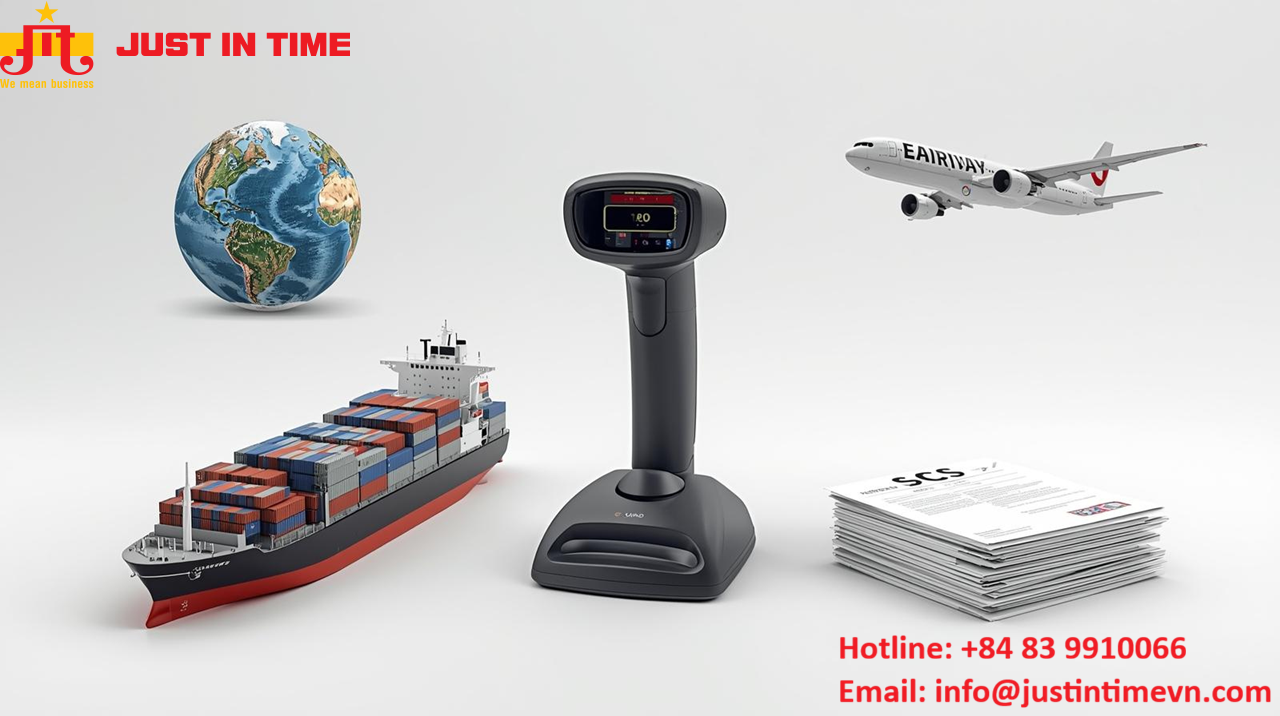
1. What Is a Barcode Scanner? Is It Allowed for Import?
A barcode scanner is a device used to read 1D or 2D barcodes printed on products, packaging, or documents and transmit the data to a computer or management system. Common types include:
-
Handheld barcode scanners
-
Desktop barcode scanners
-
Wireless barcode scanners
-
Industrial barcode scanners
Barcode scanners are allowed for import and are not classified as prohibited or restricted goods.
2. HS Codes for Barcode Scanners
2.1 Common HS Codes
In practice, most barcode scanners are classified under HS heading 8471.
2.2 How to Determine the Correct HS Code
HS classification depends on:
-
Primary function of the device
-
Method of connection to computers or POS systems
-
Manufacturer catalogs and technical specifications
Correct HS classification helps ensure accurate duty rates and avoids customs reassessment.
3. Import Duties for Barcode Scanners
Applicable taxes include:
Actual duty rates depend on HS code and country of origin.
** See more Label Printer Import Procedures
4. Required Documents for Importing Barcode Scanners
Importers must prepare the following customs documents:
-
Customs declaration
-
Commercial invoice
-
Packing list
-
Bill of Lading or Air Waybill
-
Sales contract
-
Product catalog or technical datasheet
-
Certificate of Origin (if applicable)
Barcode scanners are not subject to mandatory quality inspection or conformity certification.
5. Step-by-Step Import Procedures for Barcode Scanners
Step 1: Identify HS code and applicable duty rates
Classify the scanner based on its technical specifications.
Step 2: Submit the electronic customs declaration
Declare through the VNACCS customs system.
Step 3: Customs inspection
Customs may review documents or physically inspect goods depending on the clearance channel.
Step 4: Pay import duties and VAT
Taxes are paid according to customs system notification.
Step 5: Complete customs clearance
Goods are released once all documents and tax obligations are fulfilled.
6. Important Notes When Importing Barcode Scanners
-
Clearly specify supported barcode types (1D or 2D)
-
Accurately describe wired or wireless connection
-
State correct model number, brand, and origin
-
For wireless scanners with lithium batteries, comply with transport regulations
** See more Electronic Scale Import Procedures
7. Full-Service Import Support for Barcode Scanners
Import services may include:
-
HS code and import duty consultation
-
Full customs declaration services
-
Certificate of Origin verification
-
Door-to-door transportation and delivery
8. FAQ – Frequently Asked Questions About Barcode Scanner Import
8.1 Do barcode scanners require an import license?
No. Barcode scanners are not subject to import licensing.
8.2 Are barcode scanners subject to quality inspection?
No. They are not included in mandatory inspection categories.
8.3 What is the import duty rate for barcode scanners?
Import duty ranges from 0% to 5% depending on HS code, plus 10% VAT.
8.4 Can used barcode scanners be imported?
Generally no. Used electronic equipment is usually restricted from import.
8.5 How long does customs clearance take?
Typically 1 to 2 working days if all documents are complete and accurate.
9. Conclusion
Importing barcode scanners is relatively straightforward and does not require specialized regulatory approval. By correctly classifying HS codes, preparing complete documentation, and submitting accurate customs declarations, businesses can achieve fast and cost-effective customs clearance.
If you have difficulties when clearing customs, you can choose Just In Time as a companion.
Just In Time's staff is always enthusiastic to support you to handle your work quickly and professionally.
JUST IN TIME JOINT STOCK COMPANY
Address: No. 5, Dong Da, Tan Son Hoa Ward, Ho Chi Minh City.
Hotline: +84 83 9910066
Email: info@justintimevn.com
Facebook: https://www.facebook.com/justintimevn
** See more Procedures for Importing Plastic Scrap