Sea freight rates for raw goods increased sharply.
Posted on: 08/12/2025
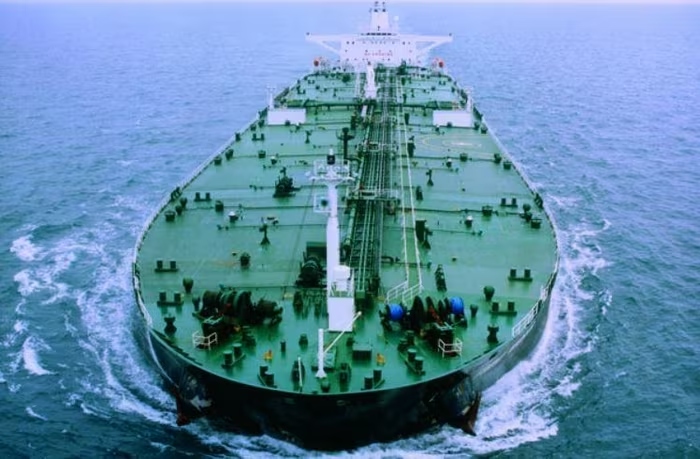
Special tanker freight rates have increased sharply this year. Photo: gcaptain.com
Specifically, the average daily freight rate of crude oil tankers on major shipping routes has soared 467% this year. Notably, the freight rate of a very large crude carrier capable of transporting up to 2 million barrels of oil from the Middle East to China increased to nearly US$137,000/day in the week ending November 19, marking a 576% increase this year. This is the highest freight rate for this type of vessel since the end of April 2020.
Meanwhile, freight rates for LNG carriers have more than quadrupled so far this year. Freight rates for bulk carriers such as iron ore, coal, grain, etc. have also doubled.
Freight rates are rising because ships are having to sail around the world longer than usual, with significantly increased time at sea, squeezing the supply of ships. Many major shipping executives predict this tension will last at least until the first quarter of 2026.
“We are seeing an extremely tight crude oil tanker market,” said Lars Barstad, CEO of Frontline, one of the world’s largest operators of very large crude carriers (VLCCs).
For crude tankers, freight rates have risen following a surge in Middle East production, coupled with increased demand in Asia following US sanctions on two Russian oil giants. Meanwhile, the cost of shipping LNG from the US to Europe recently rose to a two-year high as new LNG projects in North America require more ships to transport the super-chilled fuel.
A benchmark freight rate gauge for ships carrying bulk cargoes, including grains and ores, rose to a 20-month high in late November, partly on expectations of increased demand as a major $20 billion iron ore project in Guinea, West Africa, nears completion. Meanwhile, fighting on key shipping routes has also contributed to rising overall shipping costs.
Attacks by Iran-backed Houthi forces in Yemen on merchant ships in the Red Sea have forced some vessels to detour around Africa, increasing journey times and shipping costs.
Crude ocean freight rates are down slightly from their peak in late November, but rising costs are affecting the entire shipping market. U.S. LNG buyers are considering delaying cargoes, while some shipowners are looking to maximize profits.
In recent weeks, very large tanker operators have focused on longer voyages to secure higher profits, forcing some Indian refiners to use two smaller vessels — instead of the usual one — to pick up crude from the Middle East on time, according to shipbrokers.
After years of declining profits, shipping lines are enjoying a rare boom. But none are rushing to order new ships or make major strategic decisions.
The reason is simple: new shipbuilding costs are prohibitively expensive, while freight rates could plummet if the Red Sea shipping route reopens or ship supply increases.